
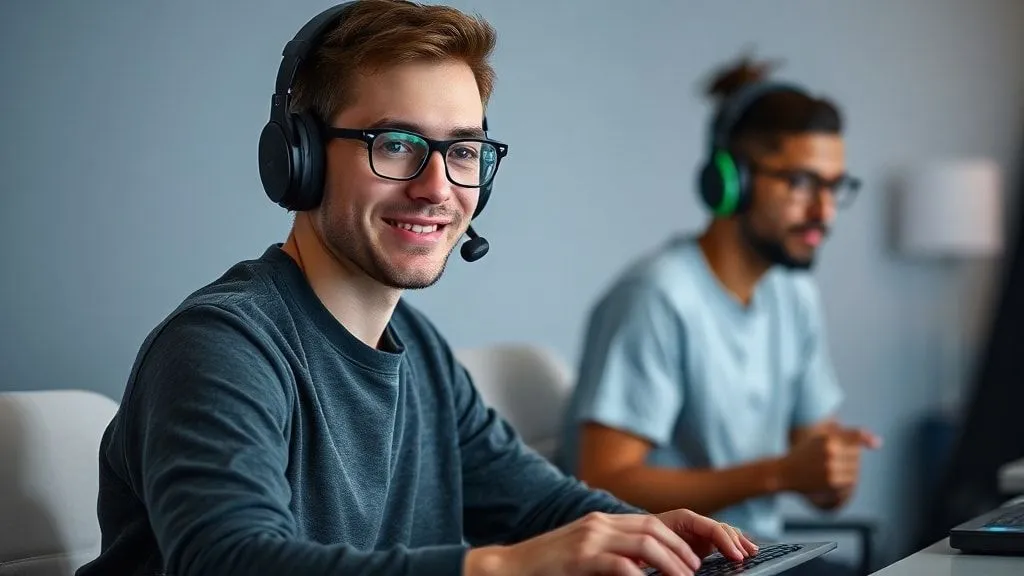
Imagine sitting at your computer, fully immersed in a high-stakes competitive gaming match where every decision counts. It’s not just a game—it’s a mental marathon demanding razor-sharp focus, quick thinking, and emotional control. Competitive gaming, often dismissed as mere entertainment, is revealing surprising benefits for mental health and cognitive function. Far from the image of couch potatoes, esports athletes are training their brains in ways that mirror traditional mental exercises but with an added layer of adrenaline and social interaction.
Platforms like OGame Space Galaxy showcase how these virtual arenas have evolved into complex environments that challenge players’ attention spans and emotional resilience. This article explores the unexpected brain workout competitive gaming offers, confronts common misconceptions about its psychological effects, and examines its therapeutic potential. From stress relief to building emotional resilience, gaming’s role is expanding beyond leisure—potentially changing how we approach mental wellness and focus training. Whether you’re skeptical or curious, the evolving science behind esports provides fresh insights into how digital competition could reshape mental health interventions in the near future.
The Unexpected Brain Workout: How Gaming Sharpens Focus
Competitive gaming is often dismissed as mere entertainment, but it actually offers a robust workout for the brain, especially when it comes to sharpening focus. Fast-paced games demand continuous attention to detail, rapid decision-making, and adaptation to changing scenarios — all skills closely tied to cognitive control. For instance, players engaging with strategy games, such as OGame Strategy War, must track multiple variables simultaneously, forcing their brains to prioritize and juggle information under pressure.
- 🎯 Enhance selective attention by filtering distractions during gameplay
- ✅ Train working memory by holding and manipulating game stats in real-time
- ⚡ Boost processing speed through quick reaction requirements
- 💡 Develop multitasking abilities by managing complex tasks concurrently
Scientific research supports that these cognitive demands translate beyond gaming, helping players improve focus in everyday tasks. The intense concentration required leads to strengthened neural pathways connecting areas responsible for attention and executive function. This isn’t just about staying glued to the screen — it’s about exercising mental stamina and precision.
| Focus Skill | Gaming Impact | Everyday Benefit |
|---|---|---|
| Selective Attention | Ignore irrelevant stimuli to win | Better concentration in noisy environments |
| Working Memory | Hold strategic info during matches | Improved problem-solving and planning |
| Task Switching | Shift between objectives seamlessly | Enhanced adaptability in dynamic situations |
Moreover, the immersive nature of competitive gaming propels players into a state of flow — an optimal zone of focus that many strive to achieve in work or study. Such intense engagement can train the brain to more easily enter this flow state over time, boosting productivity off-screen as well.
💡 Pro Tip: To maximize mental focus benefits, integrate games like the OGame Extreme Game into a balanced routine, pairing sessions with physical activity and mindfulness to maintain overall brain health.
Stress Relief or Stress Inducer? Debunking Myths Around Competitive Play
Competitive gaming often carries a reputation as a source of stress, raising questions about whether it truly helps with mental relaxation or adds pressure. The truth lies somewhere in between. For many players, the intense focus and fast-paced decision-making required can trigger cortisol spikes — the body’s stress hormone — potentially exacerbating anxiety. However, this challenge can also lead to the release of dopamine, producing feelings of accomplishment and satisfaction. Like many activities, competitive gaming’s impact on stress is nuanced and largely depends on the individual’s mindset and context.
- ✅ Approach gaming with clear goals to enhance positive stress responses
- ⚡ Take regular breaks to manage stress levels effectively
- 💡 Use games like OGame Galaxie Spiel that encourage strategic thinking rather than reflex-only challenges
- 📌 Maintain balance with social interaction alongside solitary gaming
Far from being just a stress inducer, competitive gaming can serve as a form of stress relief when played mindfully. Strategic games, in particular, foster problem-solving skills and concentration, which can help players detach from everyday worries. Yet, if players fall into patterns of frustration or excessive play, the mental health benefits can diminish. Understanding this delicate balance is essential for leveraging gaming as a wellness tool.
| Aspect | Potential Stress Inducer | Potential Stress Reliever |
|---|---|---|
| Game Type | Fast reflex, hyper-competitive shooters | Strategy games like OGame Extreme Game |
| Player Attitude | Highly competitive or perfectionist mindset | Growth mindset, focusing on learning |
| Session Length | Extended marathon sessions | Short, focused gaming intervals |
💡 Pro Tip: Gamers should periodically assess their emotional state and adjust play styles or session durations accordingly, ensuring competitive play remains a source of focus and enjoyment rather than stress.
Leveling Up Mental Health: The Therapeutic Potential of Esports
Esports is often seen through the lens of entertainment and competition, but there’s a growing recognition of its therapeutic potential for mental health. Engaging in competitive gaming environments, like the OGame Extreme Game, can foster improved focus, coordination, and cognitive agility. These activities demand sustained attention and swift decision-making, which may translate into better concentration skills for participants outside the digital arena.
- ✅ Structured competition can build resilience through learning to cope with wins and losses
- ⚡ Collaborative games promote social interaction, helping to reduce feelings of isolation
- 💡 Regular gameplay exercises memory and strategic planning abilities
Importantly, the immersive nature of esports provides a form of escapism that, when balanced, can alleviate stress and anxiety. Beyond mere distraction, certain game genres and competitive formats encourage problem-solving and adaptability, key factors in maintaining mental well-being. For those curious about the cognitive demands shaping digital interactions, the article Inside the Digital Battlefield: Strategies offers insights into how real-time strategy games refine mental acuity and decision frameworks.
| Mental Health Benefit | Esports Impact | Example |
|---|---|---|
| Enhanced Focus | Improves sustained attention through fast-paced gameplay | First-person shooters, strategy games |
| Stress Relief | Provides controlled, enjoyable challenge reducing anxiety | Multiplayer competitions |
| Social Connection | Builds community and teamwork skills | Team-based esports like MOBAs |
While esports hold promise, moderation remains key. Overindulgence can lead to burnout or exacerbate existing mental health issues. Yet, when approached thoughtfully, competitive gaming can be a powerful tool, offering a novel way to engage the brain and emotions positively. It’s no surprise that mental health professionals are beginning to view esports as a complementary avenue for developing psychological resilience and cognitive fitness.
💡 Pro Tip: Gamers interested in leveraging esports for mental health should set clear time limits and opt for games that encourage both individual skill and social interaction to maximize cognitive and emotional benefits.
From Screen to Real Life: Building Emotional Resilience Through Gaming
Competitive gaming is more than just a test of reflexes or strategy; it fosters emotional resilience by placing players in high-pressure scenarios that demand composure and quick adaptation. As participants face wins, losses, and unexpected challenges, they develop a thicker skin and sharpen their ability to manage stress effectively. These skills, honed in virtual arenas, often transfer to real-life situations, enhancing one’s capacity to handle adversity calmly.
- 🎯 Practice managing frustration during setbacks to improve emotional control.
- 🔑 Use strategic pauses to regain focus and reduce impulsive reactions.
- 💡 Develop patience by mastering long-term gameplay objectives.
Games like OGame Extreme Game immerse players in dynamic environments where every decision counts, simulating the unpredictability of real-life challenges. For those interested in space-themed strategy, titles such as So eroberst du die Galaxie provide not only entertainment but also a platform to practice emotional resilience by coordinating resources, partnerships, and tactical battles under pressure.
| Skill Developed | In-Game Example | Real-Life Benefit |
|---|---|---|
| Emotional regulation | Handling defeat gracefully | Lower stress levels during setbacks |
| Adaptability | Reacting to opponent’s surprise moves | Better problem-solving in uncertain situations |
| Patience | Waiting for the right moment to strike | Improved impulse control and decision-making |
When cultivated consciously, gaming can become a powerful tool for building emotional endurance. It challenges players to process failures without letting emotions take over, a vital skill for mental well-being. Over time, these repeated mental exercises create neural pathways that enhance resilience, allowing players to bounce back more quickly from stressors outside the screen.
💡 Pro Tip: To maximize emotional resilience through gaming, reflect after each session on how you handled pressure. Journaling or discussing your reactions can deepen self-awareness and accelerate growth.
Future Frontiers: Integrating Competitive Gaming Into Mental Health Treatments
Competitive gaming is on the brink of becoming a powerful tool in mental health treatment, especially for conditions like ADHD, anxiety, and depression. Therapists are exploring ways to harness the engaging, skill-building nature of games to enhance focus and emotional resilience. For instance, therapeutic protocols could integrate real-time strategy games that require multitasking and quick decision-making, fostering cognitive flexibility in patients.
- 🎯 Encourage interactive play to boost social connectivity
- ✅ Use goal-oriented challenges to enhance motivation and perseverance
- 💡 Incorporate variety in game types to address different cognitive skills
- 📌 Monitor emotional responses to tailor therapy sessions
- ⚡ Practice mindfulness during gameplay to improve emotional regulation
One promising avenue is the integration of competitive gaming within digital therapeutics. Developers can team up with mental health experts to design games that provide real-time feedback on cognitive performance and emotional states. These platforms could even track progress over time, making treatment more personalized and adaptive. Mid-treatment motivation can be sustained through games with layered challenges such as those found in the Master the Galaxy: Essential Tips for OGame Extreme Game, which exemplifies how complex gaming environments can sharpen focus and strategic thinking.
| Feature | Traditional Therapy | Competitive Gaming Integration |
|---|---|---|
| Engagement | Varies, often passive | High, active participation |
| Motivation | Dependent on therapist support | Intrinsic through game rewards and competition |
| Feedback | Subjective and delayed | Immediate and data-driven |
While the potential is enormous, challenges remain—like ensuring games do not worsen screen addiction or gamer isolation. Experts recommend balanced schedules that combine gaming with physical activity and social interaction. Moreover, the design of such therapeutic games must consider accessibility for diverse populations, including those less familiar with gaming culture.
💡 Pro Tip: Mental health professionals interested in incorporating competitive gaming should collaborate directly with developers and players. This synergy ensures games are both clinically effective and genuinely engaging, a balance essential for sustained mental health benefits.
Gaming Beyond the Screen: A New Frontier for Mental Well-Being
Competitive gaming, often dismissed as mere entertainment, is carving out a surprising role in mental health and cognitive focus. It challenges the brain, offering a dynamic workout that hones attention and quick decision-making. More than that, it can serve as a powerful outlet for stress relief—not just creating tensions but helping players learn to manage them. The therapeutic promise of esports is no longer a fringe idea but a growing area of interest for both clinicians and gamers alike. Through engagement in titles like OGame Extreme Game, players build emotional resilience that transcends the virtual world, equipping them with skills to face real-life challenges. As research continues to evolve, integrating structured competitive gaming into mental health treatments could open doors to innovative therapies that are not only effective but also engaging and accessible. The question now isn’t just about whether gaming impacts the mind, but how society will harness this potential responsibly. Could the key to better focus, emotional strength, and mental health lie in the very pixels and strategies of competitive play? The answer might just be waiting behind the next game console.
Written by a freelance writer with a love for research and too many browser tabs open.