
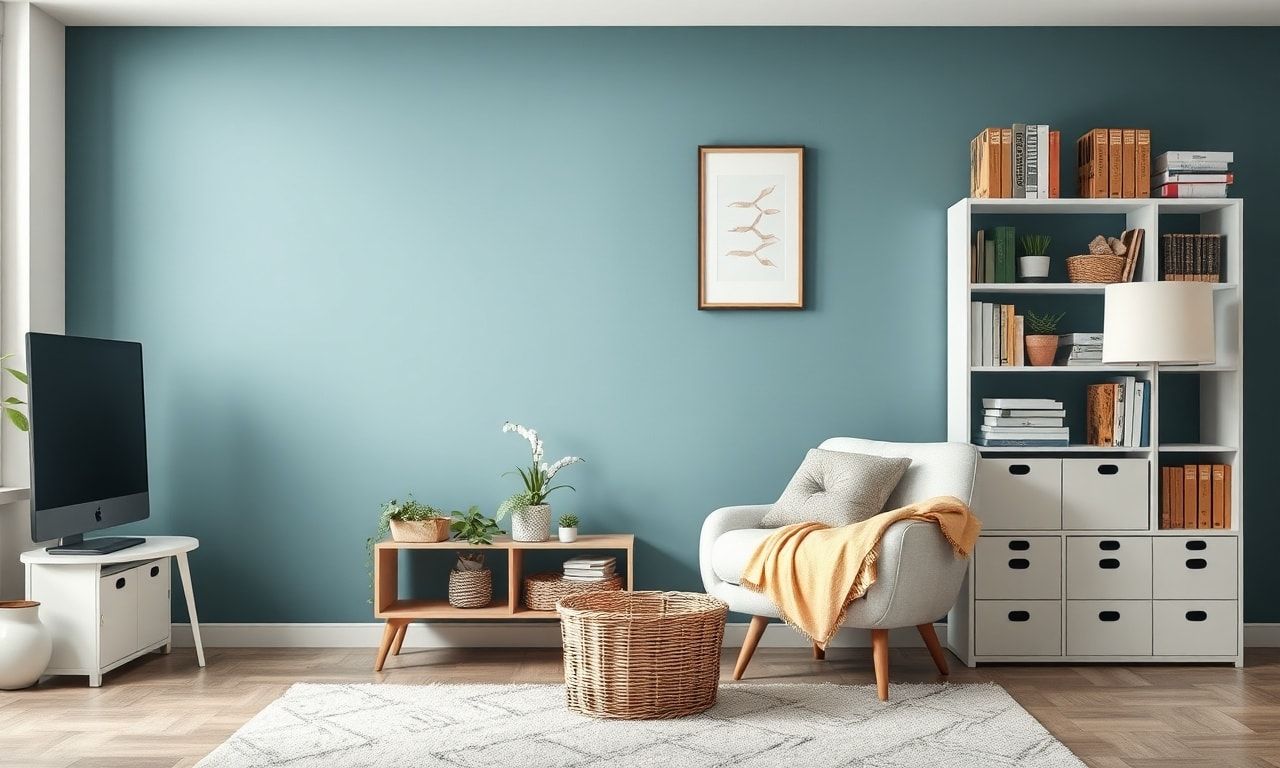
The Link Between Clutter and Mental Health
In recent years, the connection between our physical environment and mental well-being has become increasingly evident. Research has shown that clutter can have a significant impact on our stress levels, anxiety, and overall mental health. A study published in the Personality and Social Psychology Bulletin found that clutter can lead to increased cortisol levels, a hormone associated with stress. Therefore, maintaining an organized living space is not just about aesthetics; it’s a crucial aspect of self-care and mental health management.
How Clutter Affects Your Mind
Clutter can overwhelm our senses and make us feel anxious and stressed. When our environment is disordered, our minds can feel the same way. This is because clutter competes for our attention, causing our brains to switch tasks and focus on irrelevant stimuli. This constant switching drains our cognitive resources, leaving us feeling mentally fatigued and overwhelmed. Additionally, clutter can make it difficult to relax and unwind, as our brains subconsciously process the disorder around us, even when we’re trying to rest.
Moreover, clutter can also impact our self-esteem and sense of identity. When our living spaces are disorganized, it can make us feel like we have no control over our environment, which can lead to feelings of helplessness and inadequacy. On the other hand, an organized and clutter-free space can boost our self-esteem and make us feel more capable and in control of our lives.
The Role of Sentimental Clutter
Sentimental clutter, such as old jewelry, keepsakes, and mementos, can be particularly challenging to manage. These items often hold emotional value, making it difficult to part with them. However, an excess of sentimental clutter can still contribute to feelings of overwhelm and stress. To manage sentimental clutter effectively, consider implementing jewelry organization ideas for small spaces and other creative storage solutions that allow you to keep your cherished items while maintaining a tidy and organized space.
Benefits of a Clutter-Free Environment
A clutter-free environment offers numerous benefits for our mental health and overall well-being. Some of these benefits include:
- Reduced Stress and Anxiety: A tidy space can help lower cortisol levels, promoting a sense of calm and relaxation.
- Improved Focus and Productivity: An organized environment allows us to concentrate better and complete tasks more efficiently.
- Better Sleep: A clutter-free bedroom can help create a peaceful atmosphere conducive to restful sleep.
- Enhanced Self-Esteem: Maintaining an orderly living space can boost our self-confidence and sense of accomplishment.
- Easier Decision Making: When our environment is organized, we can make decisions more quickly and with greater clarity.
Practical Tips for Decluttering and Organizing Your Space
Creating a clutter-free environment may seem daunting, but with the right strategies, it’s an achievable goal. Here are some practical tips to help you get started:
1. Start Small
Begin with a single room, or even a corner of a room, and work your way through your home gradually. Breaking down the task into smaller, manageable steps can make the process less overwhelming.
2. Use the ‘One In, One Out’ Rule
To prevent clutter from building up again, adopt the ‘one in, one out’ rule. For every new item you bring into your home, remove an old one. This helps maintain a balance and keeps your space clutter-free.
3. Create Designated Zones
Designate specific areas for different activities, such as a workspace, a relaxation zone, and a dining area. This helps create a sense of order and makes it easier to keep your space organized.
4. Utilize Vertical Space
Make the most of your vertical space by using wall shelves, hanging organizers, and other storage solutions. This can help maximize your storage capacity and keep your floors and surfaces clear.
5. Regular Maintenance
Set aside time each week to tidy up and organize your space. Regular maintenance can help prevent clutter from building up and make it easier to keep your home in order.
Seeking Professional Help
If you find it challenging to declutter and organize your space on your own, consider seeking help from a professional organizer. These experts can provide personalized advice and strategies tailored to your specific needs and lifestyle. Additionally, if clutter and disorganization are significantly impacting your mental health, it may be beneficial to speak with a therapist or counselor who specializes in hoarding disorder or anxiety management.
Maintaining a clutter-free environment is an ongoing process that requires effort and commitment. However, the benefits for your mental health and overall well-being are well worth it. By creating a calm and organized living space, you can reduce stress, improve focus, and enhance your quality of life.