
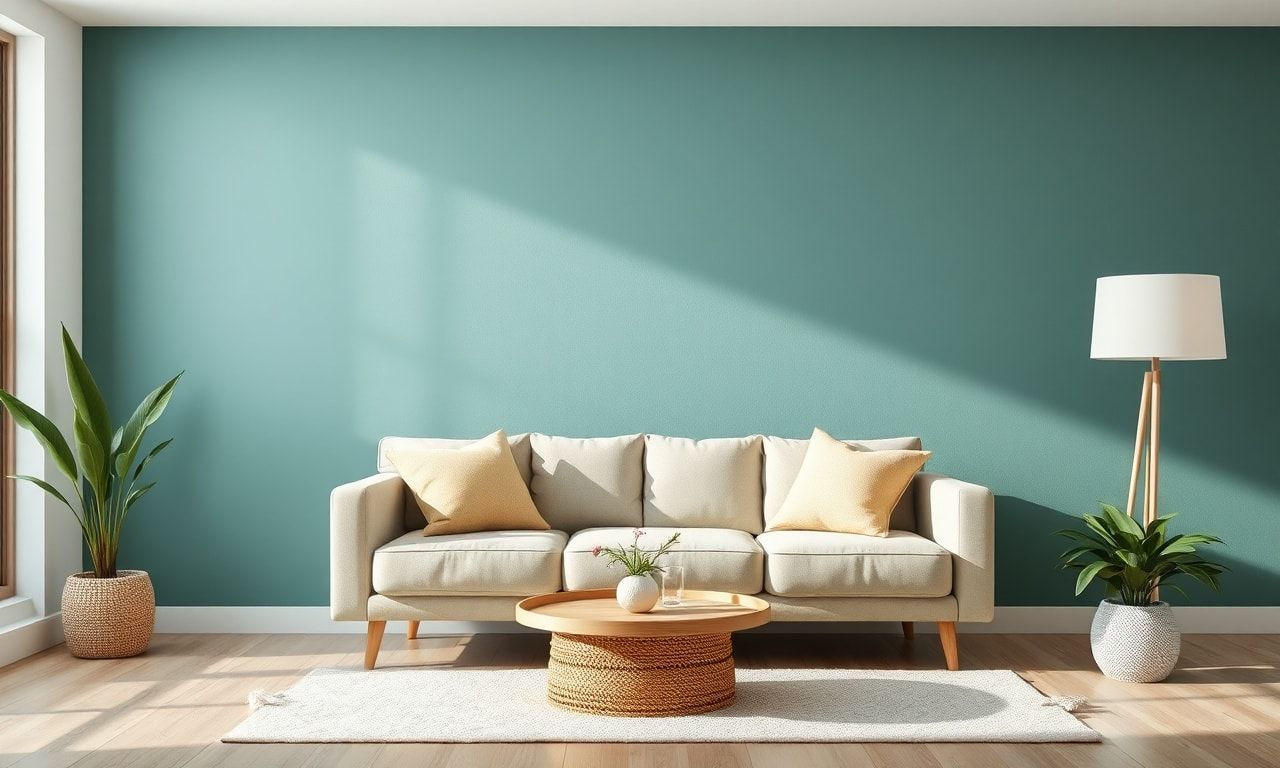
The Importance of a Healthy Living Environment
A healthy living environment is crucial for overall well-being, encompassing both physical and mental health. The spaces we inhabit significantly influence our mood, stress levels, and productivity. Research has shown that a well-organized and aesthetically pleasing living space can reduce stress and improve mental health. This is why it’s essential to create a sanctuary at home that promotes relaxation and rejuvenation.
Designing Your Home for Mental Well-being
Designing your home with mental well-being in mind involves several key elements. First, consider the layout and organization of your space. Clutter can contribute to feelings of anxiety and overwhelm, so keeping your home tidy and organized is a good starting point. Additionally, incorporating natural elements such as plants and natural light can enhance the calming atmosphere of your home.
When planning your home decor, think about the colors and materials you use. Soft, neutral colors can create a soothing environment, while natural materials like wood and stone can add a sense of warmth and grounding. You can find inspiration and high-quality decor items that align with these principles by exploring resources like 2026 yılı için ev dekorasyonu aksesuarları, which offers a range of home accessories designed to enhance your living space.
The Role of Lighting in Mental Health
Lighting plays a pivotal role in shaping the mood and ambiance of your home. Natural light is ideal for promoting a sense of well-being, so maximize the amount of natural light that enters your home by using sheer curtains or blinds. In the evenings, opt for warm, soft lighting that mimics natural light to create a cozy and inviting atmosphere. Avoid harsh, bright lights that can cause eye strain and contribute to feelings of anxiety.
Creating Zones for Different Activities
Another way to design your home for mental well-being is to create distinct zones for different activities. Having a dedicated space for work, relaxation, and sleep can help your brain associate each area with its intended purpose, making it easier to transition between activities. For example, a cozy reading nook with comfortable seating and soft lighting can signal to your brain that it’s time to unwind and relax.
The Impact of Clutter on Mental Health
Clutter can have a significant impact on mental health, contributing to feelings of stress, anxiety, and overwhelm. A cluttered living space can make it difficult to focus and can create a sense of chaos that spills over into other areas of your life. To combat this, make a habit of regularly decluttering and organizing your home. Consider adopting a minimalist approach to decor, focusing on quality over quantity.
In addition to decluttering, consider incorporating storage solutions that help keep your home organized. Shelves, baskets, and cabinets can help keep items out of sight and out of mind, creating a cleaner and more serene living environment. Remember, the goal is to create a space that feels calm and inviting, not one that feels cluttered and overwhelming.
Incorporating Nature into Your Home
Bringing elements of nature into your home can have a profound impact on your mental well-being. Plants, in particular, have been shown to reduce stress and improve air quality. Consider adding a few potted plants to your living space, choosing varieties that are easy to care for and thrive indoors. Additionally, natural materials like wood, stone, and cotton can add a sense of warmth and grounding to your home.
Water features, such as small fountains or aquariums, can also create a calming atmosphere. The sound of flowing water has been shown to reduce stress and promote relaxation. If space allows, consider adding a water feature to your home to create a serene and tranquil environment.
Final Thoughts
Creating a home that promotes mental well-being is an ongoing process that requires attention and effort. By focusing on organization, natural elements, and thoughtful design, you can create a sanctuary that supports your overall health and well-being. Remember, your home should be a place that brings you joy and peace, so take the time to curate a space that reflects your unique personality and needs.
If you enjoyed this article, we recommend checking out Ev Temizliği ve Teknoloji: Geleceğin Temizlik for further reading.