
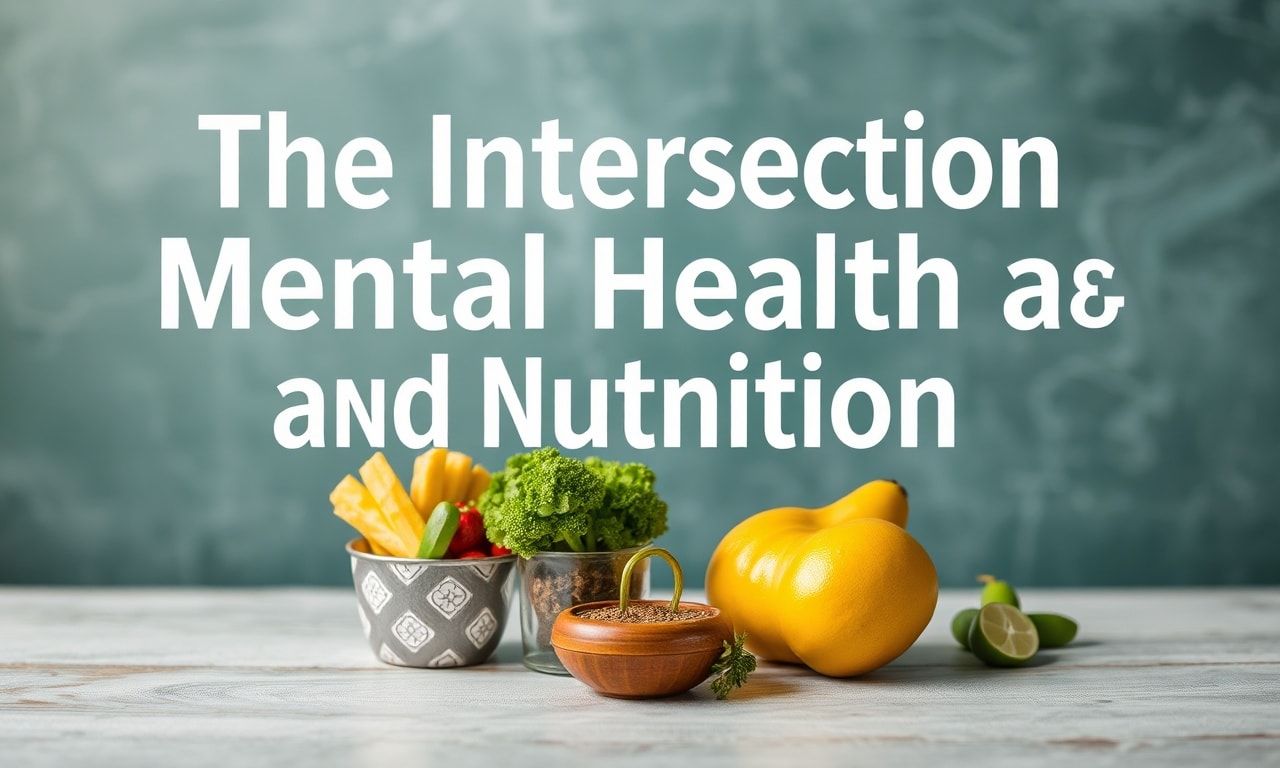
The Vital Link Between Mental Health and Nutrition
In recent years, the relationship between mental health and nutrition has garnered significant attention from researchers and healthcare professionals. The food we consume not only fuels our bodies but also plays a crucial role in maintaining our mental well-being. At Healthcare Clinics, we emphasize the importance of a balanced diet in promoting overall health, including mental health. This article delves into the intricate connection between nutrition and mental health, providing evidence-based insights and practical tips for improving your mental well-being through diet.
The Role of Nutrients in Mental Health
Various nutrients are essential for optimal brain function and mental health. For instance, omega-3 fatty acids, found in fish and flaxseeds, are known to reduce inflammation and support brain health. Similarly, antioxidants, prevalent in fruits and vegetables, help combat oxidative stress, which is linked to mental health disorders. B vitamins, particularly B6, B9, and B12, play a vital role in the production of neurotransmitters, which are chemicals that transmit signals in the brain. Ensuring an adequate intake of these nutrients can significantly enhance mental health.
The Impact of Gut Health on Mental Well-being
The gut-brain axis is a bidirectional communication system that links the emotional and cognitive centers of the brain with peripheral intestinal functions. Research has shown that the gut microbiome, the community of microorganisms living in the intestines, influences mental health. A healthy gut microbiome can produce neurotransmitters like serotonin, which regulates mood, appetite, and sleep. Consuming a diet rich in probiotics, such as yogurt and fermented foods, can promote a healthy gut microbiome and, consequently, improve mental health. Additionally, staying hydrated and incorporating fiber-rich foods into your diet can support gut health.
Nutritional Deficiencies and Mental Health Disorders
Nutritional deficiencies can exacerbate mental health disorders. For example, a deficiency in vitamin D, often referred to as the ‘sunshine vitamin,’ has been linked to depression and anxiety. Similarly, low levels of magnesium, a mineral found in leafy greens, nuts, and seeds, can contribute to anxiety and depression. Iron deficiency, which can lead to anemia, has also been associated with fatigue, irritability, and cognitive impairment. Addressing these deficiencies through a balanced diet or supplements can alleviate symptoms of mental health disorders. For more information on current market trends in health and nutrition, you can refer to piyasa trendleri güncel.
Practical Tips for Improving Mental Health Through Nutrition
Incorporating nutrient-dense foods into your diet can significantly improve mental health. Here are some practical tips:
- Eat a Balanced Diet: Aim for a diet rich in fruits, vegetables, whole grains, lean proteins, and healthy fats. This ensures a diverse intake of essential nutrients.
- Stay Hydrated: Dehydration can affect mood and cognitive function. Drink plenty of water throughout the day.
- Limit Processed Foods: Processed foods often contain high levels of sugar, salt, and unhealthy fats, which can negatively impact mental health.
- Incorporate Probiotics: Foods like yogurt, kefir, and sauerkraut can promote a healthy gut microbiome, which is linked to better mental health.
- Consult a Healthcare Professional: If you suspect you have a nutritional deficiency, consult a healthcare professional for personalized advice and potential supplements.
The Role of Healthcare Clinics in Promoting Mental Health
At Healthcare Clinics, we are committed to providing comprehensive care that addresses both physical and mental health. Our team of experts includes nutritionists, psychologists, and psychiatrists who work collaboratively to develop personalized treatment plans. We offer nutritional counseling, mental health assessments, and evidence-based therapies to help our patients achieve optimal well-being. By integrating nutrition into mental health care, we aim to provide holistic and effective treatment solutions.
Understanding the connection between mental health and nutrition is the first step towards improving your overall well-being. By making informed dietary choices and seeking professional guidance when needed, you can significantly enhance your mental health and quality of life. At Healthcare Clinics, we are here to support you on this journey towards better health.
Did you know that your diet can significantly impact your mental well-being? Discover how in our latest feature, nutrition and mental health.
To gain a deeper understanding of how education and business can drive success, particularly in the wellness and fitness industries, we suggest exploring entrepreneurial success strategies.
Discover effective ways to enhance your overall well-being by exploring natural solutions for body and mind in our latest article.