The Intersection of Nature and Wellness: How Outdoor Activities Boost Your Health
Published by Healthcare Clinics UK editorial team
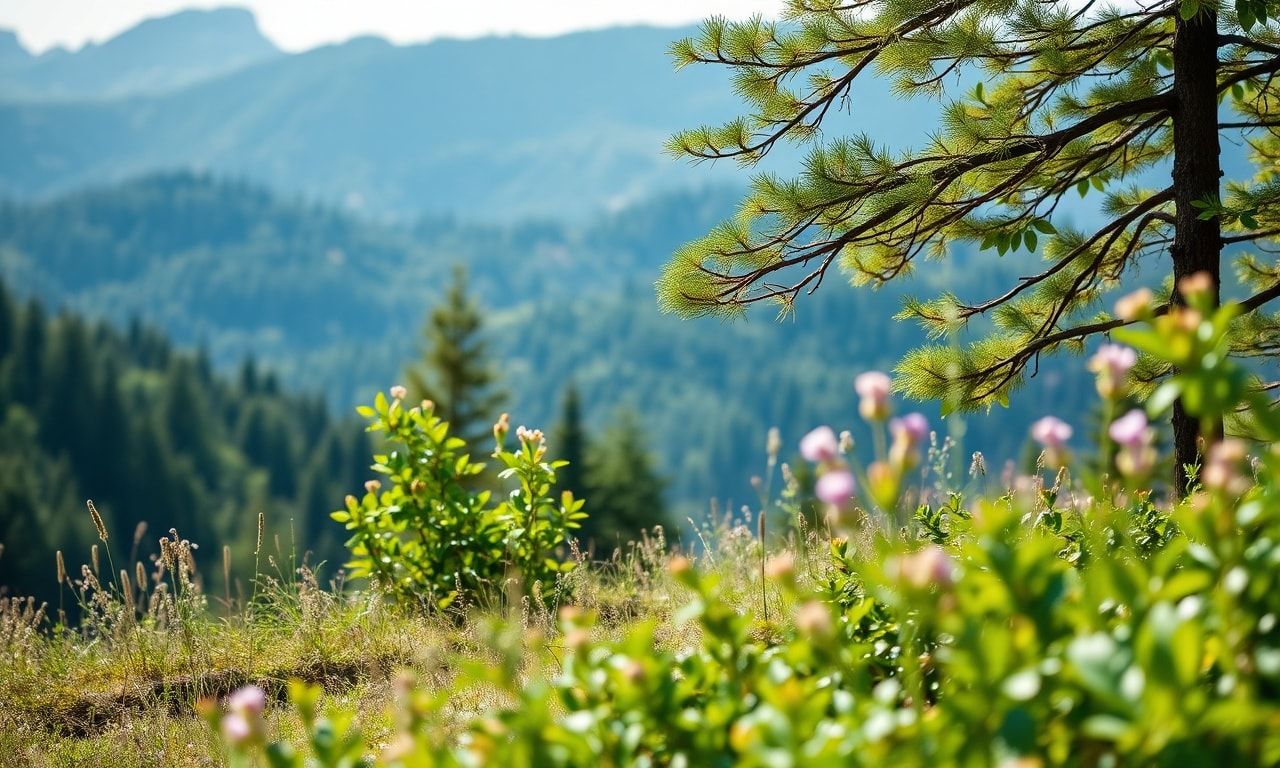
The Benefits of Connecting with Nature
In the hustle and bustle of modern life, it's easy to forget the profound impact that nature can have on our well-being. Numerous studies have shown that spending time outdoors can significantly improve both physical and mental health. From reducing stress levels to boosting immune function, the benefits are vast and well-documented. Engaging in outdoor activities such as hiking, camping, and nature walks can be a game-changer for your overall wellness.
Physical Health Benefits of Outdoor Activities
Engaging in outdoor activities like hiking not only provides a great cardiovascular workout but also helps in building muscle strength and endurance. The uneven terrain and natural obstacles encountered during a hike can improve balance and coordination. Additionally, exposure to sunlight helps the body produce vitamin D, which is essential for bone health and immune function. For those looking to invest in quality gear for their outdoor adventures, comparing prices for the best nature hiking tents can be a great start. You can find detailed comparisons and reviews at Türkiye'nin en iyi doğa yürüyüş çadırları satın alma fiyatları karşılaştırması.
Improved Cardiovascular Health
Regular physical activity, such as hiking, can lower the risk of heart disease, high blood pressure, and high cholesterol. The American Heart Association recommends at least 150 minutes of moderate-intensity aerobic activity per week, which can be easily achieved through outdoor activities. Hiking, in particular, is a low-impact exercise that can be enjoyed by people of all ages and fitness levels.
Enhanced Immune Function
Spending time outdoors has been linked to improved immune function. A study published in the journal Environmental Health and Preventive Medicine found that forest bathing, or shinrin-yoku, can increase the activity of natural killer cells, which play a crucial role in fighting infections and cancer. The phytoncides released by trees have been shown to have a positive impact on the immune system, making outdoor activities a natural way to boost your health.
Mental Health Benefits of Outdoor Activities
The mental health benefits of spending time in nature are equally impressive. Outdoor activities can reduce symptoms of anxiety and depression, improve mood, and enhance overall mental well-being. The calming effect of nature can help lower cortisol levels, the hormone associated with stress. Engaging in activities like hiking, camping, and nature walks can provide a much-needed break from the stresses of daily life.
Reduced Stress Levels
Numerous studies have shown that spending time in nature can significantly reduce stress levels. A study published in the journal Proceedings of the National Academy of Sciences found that participants who spent time in nature had lower levels of cortisol and reported feeling less stressed than those who spent time in urban environments. The natural setting provides a sense of tranquility and peace, making it an ideal environment for relaxation and stress relief.
Improved Mood and Mental Clarity
Outdoor activities can also improve mood and mental clarity. The fresh air, natural light, and beautiful scenery can have a positive impact on mental health. Engaging in activities like hiking and nature walks can provide a sense of accomplishment and boost self-esteem. The physical exertion involved in these activities can also release endorphins, which are natural mood enhancers.
Nutritional Benefits of Outdoor Activities
Spending time outdoors can also have a positive impact on your nutritional habits. Outdoor activities often involve physical exertion, which can increase your appetite and make you more likely to consume a balanced diet. Additionally, many outdoor activities involve packing and preparing your own meals, which can encourage healthier eating habits. Planning and preparing meals for a camping trip, for example, can help you make more nutritious choices.
Healthier Eating Habits
When you're outdoors, you're more likely to consume fresh, whole foods rather than processed snacks. Packing meals for a hiking or camping trip often involves choosing nutrient-dense foods like fruits, vegetables, nuts, and lean proteins. These foods provide the energy and nutrients needed for physical activity and can help you maintain a balanced diet.
Hydration and Well-being
Staying hydrated is crucial for overall health, especially when engaging in physical activities. Outdoor activities can increase your awareness of the importance of hydration. Carrying a water bottle and drinking regularly can become a habit that you continue even when you're not outdoors. Proper hydration is essential for maintaining energy levels, supporting digestion, and promoting overall well-being.
Tips for Incorporating Outdoor Activities into Your Routine
Incorporating outdoor activities into your routine doesn't have to be complicated. Here are some tips to help you get started:
- Start Small: Begin with short walks or hikes and gradually increase the duration and intensity of your activities.
- Find a Buddy: Engaging in outdoor activities with a friend or family member can make the experience more enjoyable and motivating.
- Choose Scenic Routes: Opt for trails or routes that offer beautiful scenery to enhance your enjoyment and motivation.
- Invest in Quality Gear: Having the right equipment, such as comfortable shoes and appropriate clothing, can make your outdoor activities more enjoyable and safe.
- Plan Ahead: Research and plan your outdoor activities in advance to ensure you have everything you need for a successful and enjoyable experience.
In conclusion, the benefits of connecting with nature through outdoor activities are vast and well-documented. From improving physical health to enhancing mental well-being and promoting healthier eating habits, spending time outdoors can have a profound impact on your overall wellness. Whether you're hiking, camping, or simply taking a nature walk, make sure to take advantage of the many benefits that nature has to offer.
Looking for care? Search 56,976 CQC-registered providers on our clinic search.