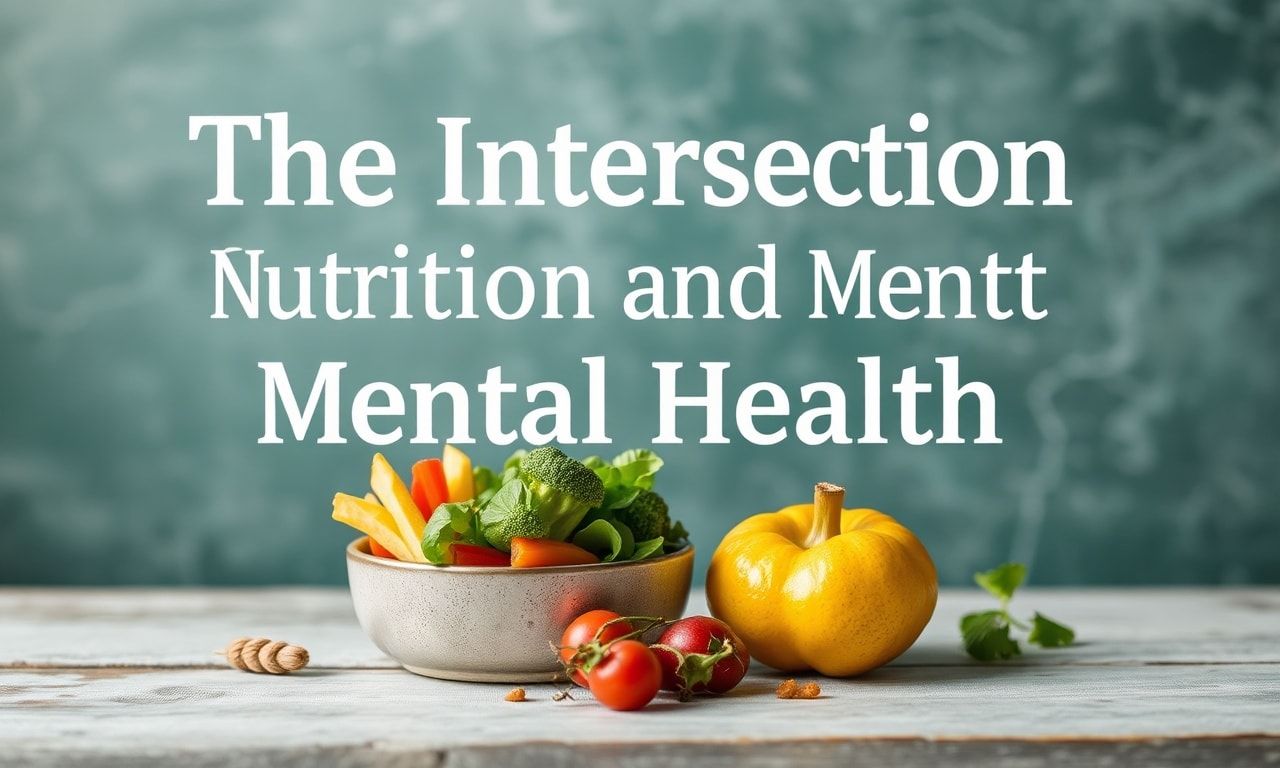
The Intersection of Nutrition and Mental Health: A Comprehensive Guide
Published by Healthcare Clinics UK editorial team
The Gut-Brain Connection
The intricate relationship between our gut and brain, often referred to as the gut-brain axis, is a burgeoning field of research in health and wellness. This bidirectional communication system links the emotional and cognitive centers of the brain with peripheral intestinal functions. Emerging evidence suggests that the balance of bacteria in the gut can influence mental health, highlighting the importance of a balanced diet in maintaining both physical and psychological well-being.
Nutrition and Mental Health
Nutrition plays a pivotal role in mental health. A diet rich in fruits, vegetables, whole grains, lean proteins, and healthy fats can significantly impact mood and cognitive function. Conversely, diets high in processed foods, sugars, and unhealthy fats have been linked to an increased risk of depression and anxiety. Understanding the role of specific nutrients can help individuals make informed dietary choices to support their mental health.
The Role of Omega-3 Fatty Acids
Omega-3 fatty acids, found in fatty fish like salmon, walnuts, and flaxseeds, are essential for brain health. These healthy fats have been shown to reduce inflammation, improve mood, and enhance cognitive function. Incorporating omega-3-rich foods into your diet can be a simple yet effective strategy for supporting mental well-being. For those who struggle to get enough omega-3s through diet alone, supplements can be a valuable addition.
Vitamins and Minerals for Mental Health
Certain vitamins and minerals are crucial for mental health. For instance, B vitamins, particularly B6, B9 (folate), and B12, play a vital role in the production of neurotransmitters like serotonin and dopamine, which regulate mood. Vitamin D, often referred to as the ‘sunshine vitamin,’ has been linked to reduced symptoms of depression. Ensuring adequate intake of these nutrients through a balanced diet can help maintain optimal mental health.
Lifestyle Factors Influencing Mental Health
In addition to nutrition, several lifestyle factors can influence mental health. Regular physical activity, adequate sleep, and stress management techniques like mindfulness and meditation are all essential components of a holistic approach to mental well-being. Engaging in activities that promote relaxation and reduce stress can have a profound impact on overall mental health. For example, spending time in nature, practicing yoga, or engaging in creative hobbies can all contribute to a healthier mind.
Moreover, staying informed about health and wellness trends can also be beneficial. For instance, recent studies highlighted by Düsseldorf Nachrichten Düsseldorf-Derendorf heute have shown the positive impact of community engagement and social support on mental health. Building strong social connections and participating in community activities can provide a sense of belonging and purpose, which are crucial for mental well-being.
Practical Tips for Improving Mental Health Through Nutrition
Incorporating nutrient-dense foods into your diet is a practical way to support mental health. Here are some tips to get started:
- Eat a Variety of Fruits and Vegetables: Aim for a colorful plate to ensure you’re getting a wide range of vitamins and minerals.
- Choose Whole Grains: Opt for whole grains like brown rice, quinoa, and whole-wheat bread over refined grains.
- Include Lean Proteins: Incorporate lean proteins such as chicken, turkey, fish, beans, and lentils into your meals.
- Healthy Fats: Include sources of healthy fats like avocados, nuts, seeds, and olive oil.
- Stay Hydrated: Drink plenty of water throughout the day to support overall health and cognitive function.
The Importance of Professional Guidance
While dietary changes can significantly impact mental health, it’s essential to consult with healthcare professionals before making significant changes to your diet or lifestyle. A registered dietitian or nutritionist can provide personalized advice tailored to your specific needs. Additionally, mental health professionals can offer guidance and support for managing stress, anxiety, and other mental health challenges. Seeking professional help is a crucial step in maintaining overall well-being.
In conclusion, the relationship between nutrition and mental health is complex and multifaceted. By understanding the role of specific nutrients and adopting a holistic approach to wellness, individuals can take proactive steps to support their mental health. Incorporating a balanced diet, engaging in regular physical activity, and seeking professional guidance when needed are all essential components of a comprehensive mental health strategy.
If you’re seeking a new destination to combine your love for fitness and cultural exploration, consider visiting Germany’s vibrant Düsseldorf, where wellness meets history.
Discover the powerful connection between physical activity and mental health by exploring fitness and mental well-being, a comprehensive guide that delves into the science-backed benefits of integrating exercise into your wellness routine.
For those navigating the complexities of modern life, our latest feature, urban living and mental well-being, offers an insightful exploration of the challenges and solutions.
Looking for care? Search 56,976 CQC-registered providers on our clinic search.