The Intersection of Nutrition and Mental Health: A Comprehensive Guide
Published by Healthcare Clinics UK editorial team
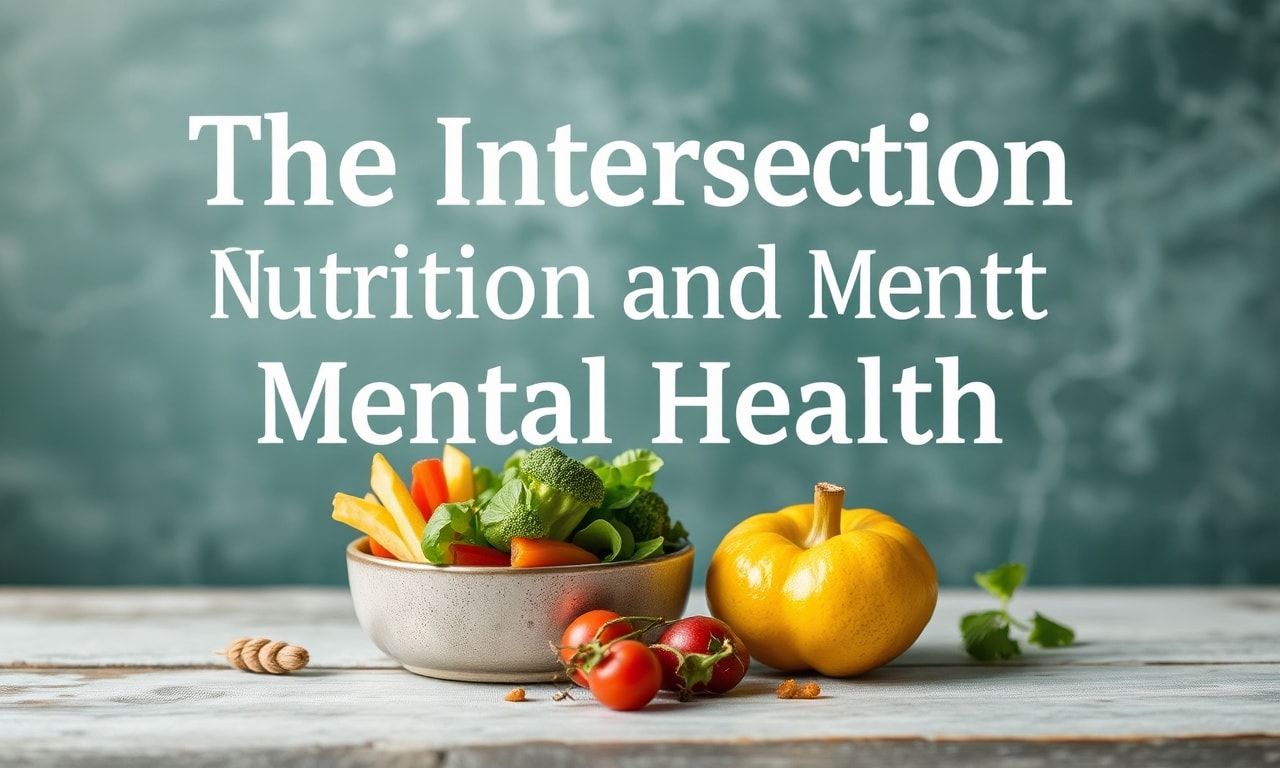
The Importance of Nutrition for Mental Health
Nutrition plays a pivotal role in maintaining overall health, but its impact on mental health is often overlooked. The food we consume directly affects our brain function, mood, and cognitive abilities. A balanced diet rich in essential nutrients can help prevent mental health disorders, enhance cognitive function, and improve emotional well-being. Understanding the connection between nutrition and mental health is the first step towards achieving holistic wellness.
Key Nutrients for Mental Health
Certain nutrients are particularly important for mental health. Omega-3 fatty acids, found in fish, nuts, and seeds, are crucial for brain function and can help reduce symptoms of depression and anxiety. Antioxidants, present in fruits and vegetables, protect the brain from oxidative stress and inflammation. B vitamins, found in whole grains, legumes, and leafy greens, support the nervous system and can help regulate mood. Ensuring an adequate intake of these nutrients can significantly improve mental health.
The Role of a Balanced Diet
A balanced diet is essential for maintaining mental health. Consuming a variety of nutrient-dense foods ensures that the body and brain receive all the necessary nutrients. A diet rich in fruits, vegetables, whole grains, lean proteins, and healthy fats can help stabilize blood sugar levels, improve mood, and enhance cognitive function. Incorporating a diverse range of foods into your diet can also promote gut health, which is closely linked to mental well-being.
For athletes and fitness enthusiasts, maintaining a balanced diet is crucial for optimal performance. A well-rounded nutrition plan can enhance energy levels, improve recovery, and support overall health. If you’re looking for a comprehensive guide to sports nutrition, check out the sports nutrition diet guide athletes for expert advice and tips.
Nutrition and Mental Health Disorders
Poor nutrition can contribute to the development of mental health disorders such as depression, anxiety, and schizophrenia. Conversely, a healthy diet can help manage symptoms and improve outcomes. For example, a diet high in processed foods and sugars has been linked to an increased risk of depression and anxiety. On the other hand, a diet rich in whole foods and nutrients can help reduce symptoms and improve overall mental health.
Depression and Diet
Research has shown that a diet high in fruits, vegetables, whole grains, and lean proteins can help reduce symptoms of depression. The Mediterranean diet, which emphasizes these foods, has been found to be particularly effective in managing depression. Incorporating more of these foods into your diet can help improve mood and overall mental health.
Anxiety and Nutrition
Anxiety can also be influenced by diet. Consuming a diet high in processed foods, sugars, and caffeine can exacerbate anxiety symptoms. On the other hand, a diet rich in whole foods, omega-3 fatty acids, and magnesium can help reduce anxiety. Foods such as nuts, seeds, leafy greens, and fatty fish are particularly beneficial for managing anxiety.
Practical Tips for Improving Mental Health Through Nutrition
Incorporating nutrient-dense foods into your diet can significantly improve mental health. Here are some practical tips to help you get started:
- Eat a Variety of Fruits and Vegetables: Aim for a colorful plate to ensure you’re getting a wide range of nutrients.
- Choose Whole Grains: Opt for whole grains like brown rice, quinoa, and whole wheat bread over refined grains.
- Include Lean Proteins: Incorporate lean proteins such as chicken, fish, beans, and lentils into your meals.
- Healthy Fats: Include healthy fats like avocados, nuts, seeds, and olive oil in your diet.
- Stay Hydrated: Drink plenty of water throughout the day to support overall health and brain function.
Mindful Eating
Mindful eating is another important aspect of improving mental health through nutrition. Paying attention to what you eat, how you eat, and why you eat can help you make healthier choices and improve your relationship with food. Mindful eating involves being present during meals, chewing slowly, and savoring each bite. This practice can help reduce stress, improve digestion, and enhance overall well-being.
Conclusion
The connection between nutrition and mental health is undeniable. A balanced diet rich in essential nutrients can help prevent mental health disorders, improve mood, and enhance cognitive function. Incorporating nutrient-dense foods into your diet and practicing mindful eating can significantly improve mental health and overall well-being. For those looking to optimize their nutrition for athletic performance, the sports nutrition diet guide athletes offers valuable insights and strategies. By prioritizing nutrition, you can take a proactive approach to maintaining good mental health and achieving holistic wellness.
As we embrace the summer season, don’t forget that your style can also contribute to your overall well-being and confidence; discover the summer 2023 fashion trends that can help you shine both inside and out.
To help you on your journey towards better well-being, we suggest checking out tips for a healthier lifestyle, a comprehensive guide to improving your overall health.
Discover how the worlds of sports and digital marketing collide in lessons from the ring, offering unique strategies to enhance your fitness journey and mental well-being.
Looking for care? Search 56,976 CQC-registered providers on our clinic search.