
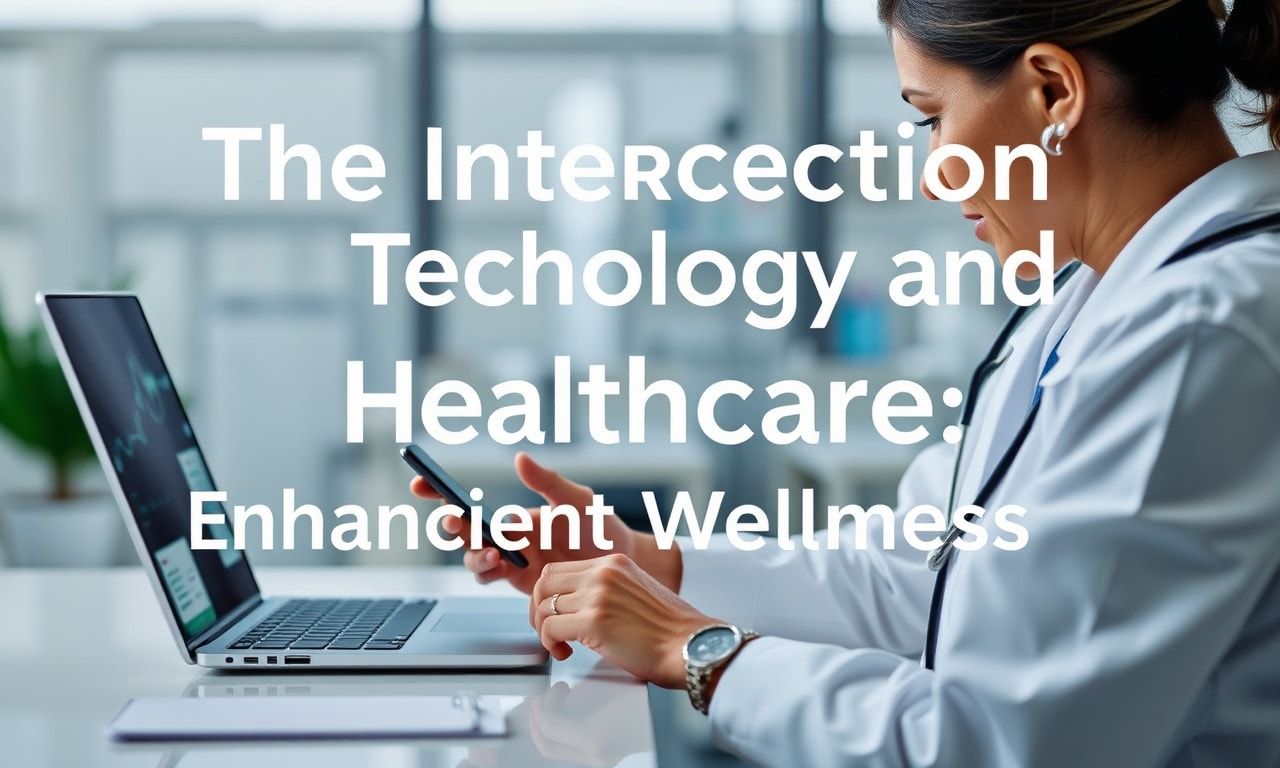
The Digital Transformation in Healthcare
The healthcare industry is undergoing a significant transformation driven by technological advancements. From electronic health records to telemedicine, technology is revolutionizing the way healthcare providers deliver services and patients manage their health. This digital shift is not only improving efficiency but also enhancing patient outcomes and overall wellness.
The Role of Data in Personalized Healthcare
One of the most impactful technological advancements in healthcare is the use of data analytics. By leveraging data, healthcare providers can offer personalized treatment plans tailored to individual patient needs. For instance, data from wearable devices can be analyzed to monitor chronic conditions, predict potential health issues, and recommend preventive measures. This proactive approach to healthcare is crucial in managing conditions like diabetes, heart disease, and mental health disorders.
In the realm of data management, technologies like MongoDB development play a pivotal role. MongoDB, a NoSQL database, is particularly effective in handling large volumes of unstructured data, which is common in healthcare. This capability allows for the seamless integration of patient data from various sources, facilitating more comprehensive and accurate health assessments.
Enhancing Mental Health through Technology
Mental health is a critical component of overall wellness, and technology is playing an increasingly important role in its management. Mobile applications and online platforms offer accessible resources for mental health support, including therapy sessions, meditation guides, and mood-tracking tools. These digital solutions provide convenience and anonymity, encouraging more individuals to seek help.
Moreover, artificial intelligence (AI) is being utilized to develop sophisticated algorithms that can detect early signs of mental health issues. By analyzing patterns in speech, text, and behavior, AI can identify potential risks and alert healthcare providers, enabling timely intervention. This proactive approach is essential in preventing the escalation of mental health conditions.
The Impact of Telemedicine on Accessibility
Telemedicine has emerged as a game-changer in healthcare, particularly in remote and underserved areas. By enabling virtual consultations, telemedicine bridges the gap between patients and healthcare providers, ensuring that everyone has access to medical advice and treatment. This is especially beneficial for individuals with mobility issues or those living in rural communities.
The COVID-19 pandemic has further accelerated the adoption of telemedicine, highlighting its importance in maintaining continuity of care during public health crises. As technology continues to evolve, telemedicine is expected to become even more integrated into standard healthcare practices, offering a more efficient and patient-centric approach to medical services.
The Future of Healthcare Technology
The future of healthcare technology is bright, with ongoing advancements promising to enhance patient care and wellness. Emerging technologies such as virtual reality (VR), augmented reality (AR), and robotics are being explored for their potential applications in healthcare. For example, VR is being used for pain management and physical therapy, while AR can assist surgeons during complex procedures.
Additionally, the Internet of Things (IoT) is transforming healthcare by connecting medical devices and enabling real-time monitoring of patient health. Wearable devices equipped with IoT technology can track vital signs, physical activity, and sleep patterns, providing valuable data for both patients and healthcare providers. This continuous monitoring allows for more accurate diagnoses and personalized treatment plans.
Ensuring Data Security and Privacy
As healthcare becomes increasingly digitized, ensuring the security and privacy of patient data is paramount. Cybersecurity measures must be robust to protect sensitive information from breaches and unauthorized access. Healthcare providers must adhere to strict regulations and implement best practices to safeguard patient data.
Technologies like blockchain are being explored for their potential to enhance data security in healthcare. By creating an immutable ledger of transactions, blockchain can ensure the integrity and confidentiality of patient records. This technology is particularly useful in managing electronic health records (EHRs) and ensuring that data is accessible only to authorized personnel.
Conclusion
The intersection of technology and healthcare is transforming the way we approach wellness and patient care. From data analytics to telemedicine, technological advancements are enhancing the efficiency, accessibility, and personalization of healthcare services. As we continue to embrace these innovations, it is crucial to prioritize data security and privacy to ensure the safe and effective use of technology in healthcare.
By leveraging the power of technology, we can create a healthier future for all, where patients receive timely and personalized care, and healthcare providers are equipped with the tools they need to deliver exceptional service. The digital transformation in healthcare is not just a trend; it is a necessity for improving patient outcomes and overall wellness.
To enhance your mind-body connection and experience a unique natural phenomenon, consider witnessing the 2024 solar eclipse and its potential wellness benefits.
In the ever-evolving world of wellness, it’s fascinating to see how technology is playing a pivotal role in enhancing our health. Discover the latest innovations in health tech and wellness in our comprehensive new article.
Discover how modern technology is transforming the wellness landscape by exploring apps for better health outcomes in our latest feature.