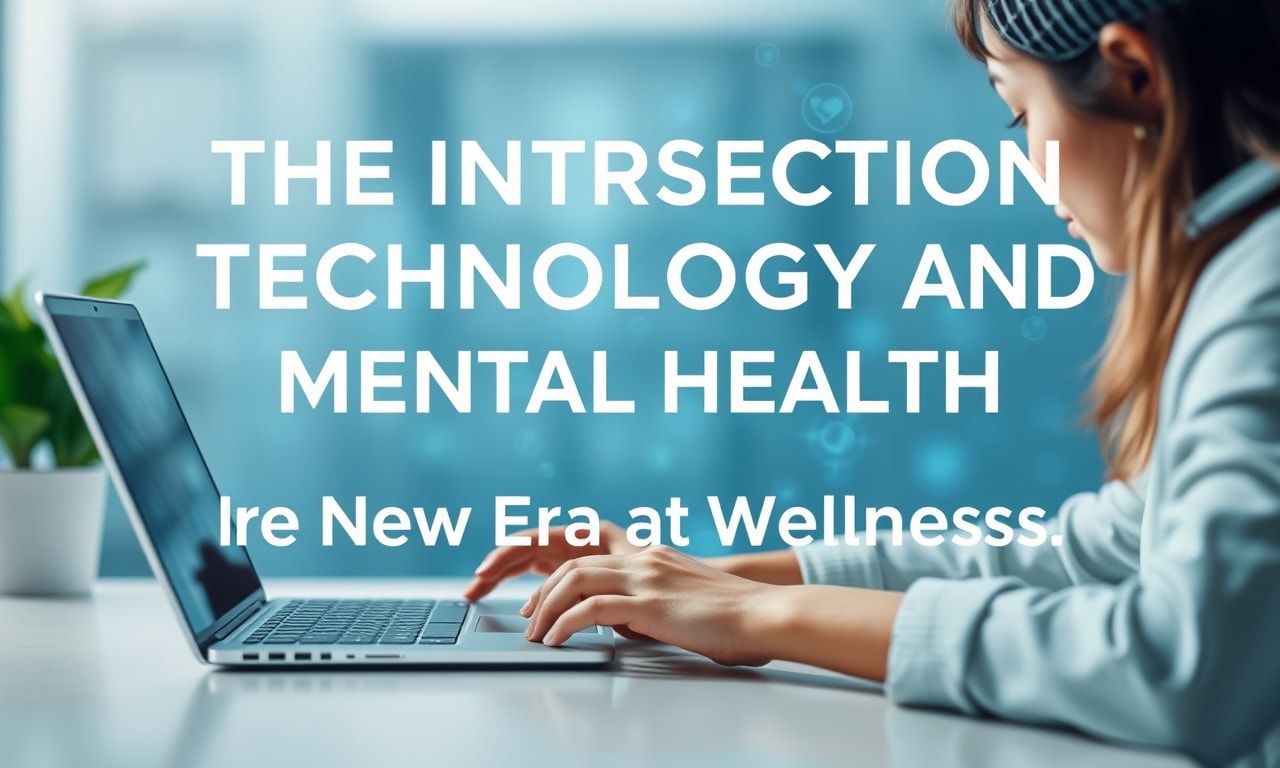
The Intersection of Technology and Mental Health: A New Era of Wellness
Published by Healthcare Clinics UK editorial team
The Digital Age and Mental Health
The rapid advancement of technology has permeated nearly every aspect of our lives, including how we approach mental health and wellness. From telehealth services to mental health apps, technology is revolutionizing the way we access and manage our psychological well-being. This article explores the various ways technology is shaping the future of mental health, providing new tools and resources for individuals seeking support and treatment.
The Rise of Telehealth and Online Therapy
One of the most significant impacts of technology on mental health is the rise of telehealth and online therapy. These platforms allow individuals to connect with licensed therapists and counselors from the comfort of their own homes. This is particularly beneficial for those who live in remote areas or have mobility issues, making it easier to access the care they need. Additionally, telehealth services can be more affordable and flexible, offering a convenient alternative to traditional in-person therapy sessions.
The Benefits of Telehealth
Telehealth services offer several advantages, including:
- Accessibility: Individuals can access mental health services from anywhere, at any time.
- Convenience: Online therapy eliminates the need for travel and scheduling conflicts.
- Affordability: Many telehealth platforms offer more affordable options compared to traditional therapy.
- Privacy: Online therapy provides a discreet and confidential environment for individuals to seek help.
Mental Health Apps and Digital Tools
In addition to telehealth services, there has been a proliferation of mental health apps and digital tools designed to support mental well-being. These apps offer a range of features, from mood tracking and mindfulness exercises to cognitive-behavioral therapy (CBT) techniques and virtual support groups. For example, apps like Headspace and Calm provide guided meditation and relaxation techniques, while others focus on specific mental health conditions such as anxiety and depression.
How Mental Health Apps Work
Mental health apps typically use a combination of evidence-based techniques and user-friendly interfaces to help individuals manage their mental health. Some apps incorporate gamification elements to encourage regular use and engagement. For instance, users might earn points or badges for completing daily mood tracking or participating in mindfulness exercises. These apps can also provide valuable data and insights, helping users and their healthcare providers better understand their mental health patterns and triggers.
The Role of Education Technology in Mental Health
Education technology, or edtech, is also playing a crucial role in promoting mental health awareness and support. Schools and universities are increasingly integrating mental health education into their curricula, using digital tools to teach students about stress management, emotional regulation, and coping strategies. For the latest updates on education technology trends, visit latest updates on education technology trends to stay informed about the latest developments in this field. By incorporating mental health education into the classroom, educators can help students develop the skills and knowledge they need to maintain good mental health throughout their lives.
Challenges and Considerations
While technology offers numerous benefits for mental health, there are also challenges and considerations to keep in mind. For instance, the quality and effectiveness of mental health apps can vary widely, and not all apps are backed by rigorous scientific research. Additionally, there are concerns about data privacy and security, as mental health apps often collect sensitive information about users. It is essential for individuals to research and choose reputable apps and platforms that prioritize user privacy and data protection.
Ensuring Quality and Safety
To ensure the quality and safety of mental health apps, users should look for the following:
- Evidence-Based Techniques: Apps should be based on proven therapeutic techniques and backed by scientific research.
- Transparency: The app should clearly explain how user data is collected, stored, and used.
- Professional Endorsement: Look for apps that are recommended by mental health professionals or organizations.
- User Reviews: Read reviews and testimonials from other users to gauge the app’s effectiveness and reliability.
Conclusion
The intersection of technology and mental health is opening up new possibilities for wellness and support. From telehealth services to mental health apps and education technology, these innovations are making mental health care more accessible, convenient, and effective. However, it is crucial to approach these tools with caution, ensuring that they are evidence-based, secure, and tailored to individual needs. By embracing technology responsibly, we can harness its potential to improve mental health and well-being for all.
Discover how your surroundings impact your health by exploring clean spaces and well-being, a topic that’s increasingly relevant in wellness and mental health discussions.
To expand your wellness business, consider exploring wholesale product sourcing tips that can help you stock high-quality fitness and nutrition items for your e-commerce store.
You may also find The Intersection of Nutrition and Mental helpful as it covers related aspects of this subject.
Looking for care? Search 56,976 CQC-registered providers on our clinic search.