
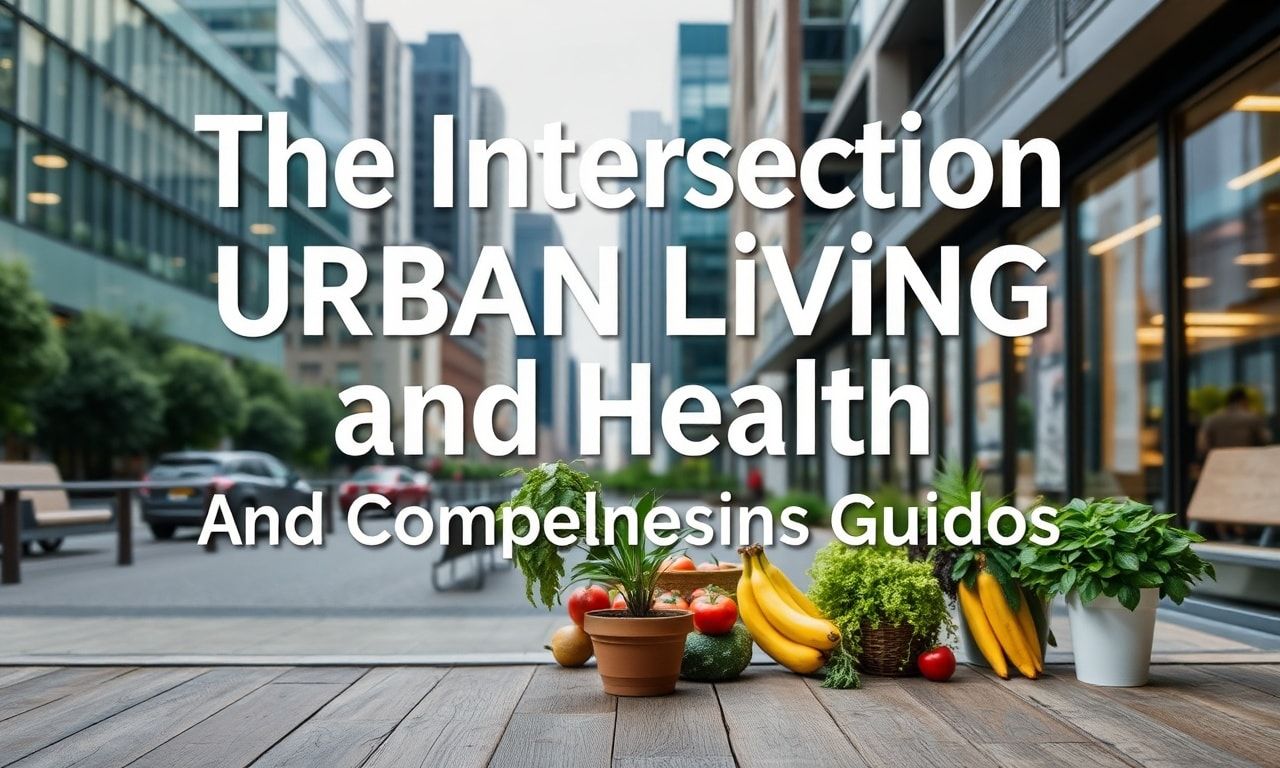
The Impact of Urban Living on Health
Urban living offers numerous advantages, including access to better job opportunities, education, and cultural activities. However, it also presents unique health challenges. The fast-paced lifestyle, pollution, and high cost of living can significantly impact physical and mental well-being. Understanding these challenges is the first step towards mitigating their effects and maintaining a healthy lifestyle in an urban setting.
Air Pollution and Respiratory Health
One of the most significant health concerns in urban areas is air pollution. High levels of pollutants such as particulate matter (PM), nitrogen dioxide (NO2), and ozone (O3) can lead to respiratory diseases, cardiovascular problems, and even premature death. According to the World Health Organization (WHO), ambient air pollution accounts for an estimated 4.2 million deaths per year due to stroke, heart disease, lung cancer, and chronic respiratory diseases.
To protect yourself from air pollution, consider using air purifiers in your home, especially if you live in a densely populated area. Additionally, monitoring air quality indices and planning outdoor activities during times of lower pollution can be beneficial. If you’re looking for a new place to live, researching areas with better air quality, such as those with more green spaces, can be a wise decision. For instance, understanding the Şişli konut piyasası kira fiyatları and the associated environmental factors can help you make an informed choice about where to live.
Mental Health and Urban Stress
Urban living can also take a toll on mental health. The constant noise, crowded spaces, and fast-paced lifestyle can lead to increased stress, anxiety, and even depression. A study published in the journal Nature found that living in urban areas is associated with a higher risk of developing mental health disorders. The study suggested that the lack of green spaces and the high population density contribute to this increased risk.
To combat urban stress, it’s essential to incorporate stress-relief techniques into your daily routine. Practices such as mindfulness meditation, yoga, and deep breathing exercises can help reduce stress levels. Additionally, making time for hobbies and social activities can provide a much-needed break from the urban grind. Seeking professional help, such as therapy or counseling, can also be beneficial if you’re struggling with mental health issues.
Physical Activity and Urban Design
Urban environments often lack the space and infrastructure for regular physical activity, which is crucial for maintaining good health. According to the WHO, physical inactivity is one of the leading risk factors for global mortality. In urban settings, the lack of parks, sidewalks, and safe cycling routes can make it difficult for residents to engage in regular exercise.
To overcome this challenge, urban planners and policymakers are increasingly focusing on creating more walkable and bike-friendly cities. As a resident, you can take advantage of local fitness centers, community sports facilities, and outdoor exercise groups. Incorporating physical activity into your daily routine, such as walking or cycling to work, can also help you stay active and healthy.
Nutrition and Urban Living
Access to nutritious food can be a challenge in urban areas, especially in food deserts where fresh produce is scarce. The prevalence of fast food restaurants and convenience stores can make it difficult to maintain a healthy diet. Poor nutrition is linked to a range of health problems, including obesity, diabetes, and heart disease.
To ensure you’re eating a balanced diet, consider planning your meals in advance and shopping at local farmers’ markets or health food stores. Cooking at home can also help you control the ingredients and portion sizes of your meals. If you’re struggling to access fresh produce, community gardens and urban farming initiatives can be a great way to grow your own food and connect with your community.
Sleep and Urban Noise
Noise pollution is a common issue in urban areas and can significantly impact sleep quality. Poor sleep is linked to a range of health problems, including weakened immune function, increased stress, and a higher risk of chronic diseases. According to a study published in the journal Sleep, exposure to noise at night can lead to sleep disturbances and daytime fatigue.
To improve your sleep quality, consider using earplugs or white noise machines to block out urban noise. Creating a relaxing bedtime routine, such as reading a book or taking a warm bath, can also help you unwind and prepare for sleep. If noise pollution is a significant issue in your home, you may want to consider soundproofing your bedroom or exploring quieter neighborhoods.
Discover how to harmonize your well-being with city living in our latest feature, urban wellness strategies, offering practical advice on integrating fitness, nutrition, and mental health into your daily routine.
To complement your fitness journey, consider exploring elevating your style with New Balance, a guide that seamlessly blends comfort and fashion for an active lifestyle.
Discover how community-driven events are positively impacting wellness and mental health in our latest feature, global wellness gatherings.