
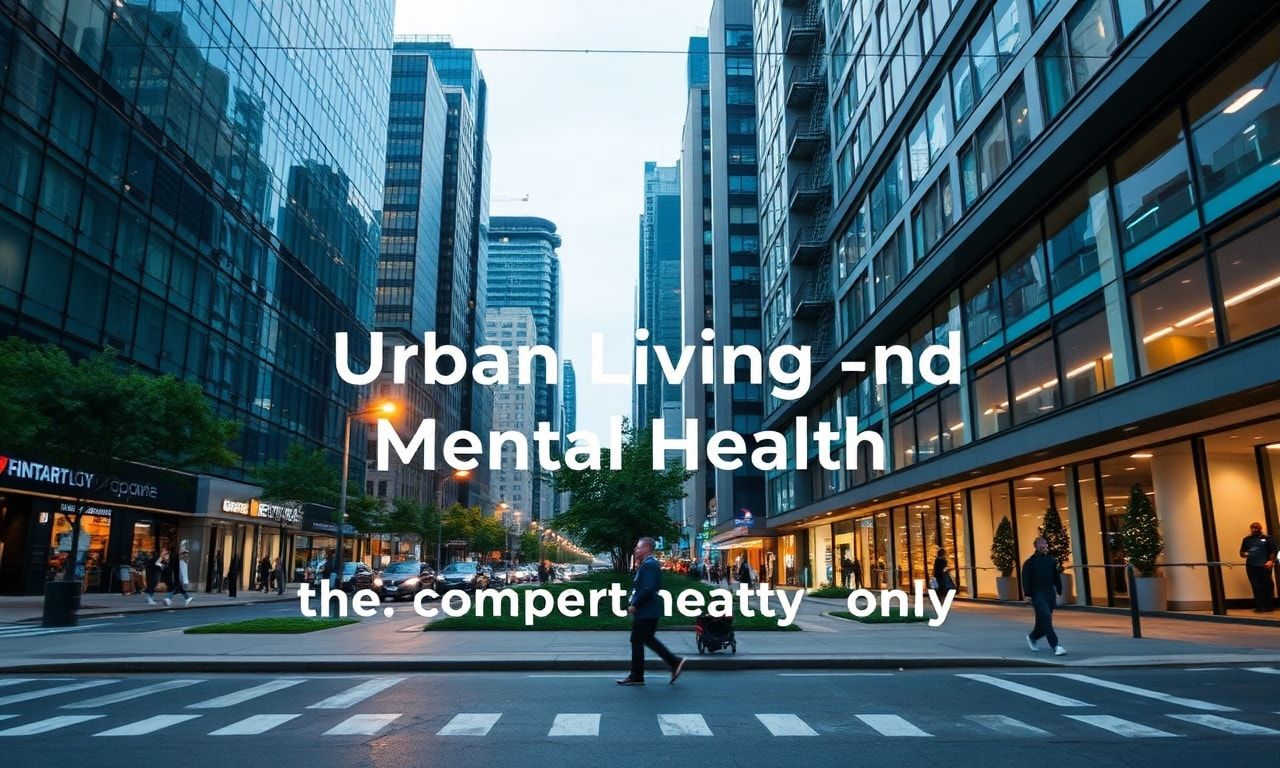
The Impact of Urban Living on Mental Health
Urban living offers numerous advantages, including access to healthcareclinics.org.uk, employment opportunities, and cultural experiences. However, the fast-paced nature of city life can also have significant impacts on mental health. Research has shown that urban dwellers are at a higher risk of developing mental health issues such as anxiety and depression compared to those living in rural areas. Factors contributing to this include high population density, noise pollution, and the constant pressure to keep up with the urban lifestyle.
The Role of Transportation in Mental Well-being
One often overlooked aspect of urban living is the role of transportation. Commuting can be a significant source of stress for many city residents. Long commutes, traffic congestion, and unreliable public transportation can all contribute to increased levels of stress and anxiety. For instance, staying updated with Glasgow transport news today can help residents plan their routes more effectively, potentially reducing stress levels. Understanding the impact of transportation on mental health is crucial for developing strategies to mitigate these effects.
Strategies for Maintaining Mental Health in Urban Environments
Maintaining mental health in urban environments requires a proactive approach. Here are some strategies that can help:
- Mindfulness and Meditation: Practicing mindfulness and meditation can help reduce stress and anxiety. Even a few minutes each day can make a significant difference in your mental well-being.
- Regular Exercise: Physical activity is known to boost mood and reduce symptoms of depression. Finding time for exercise, whether it’s a gym workout or a simple walk in the park, can be beneficial.
- Social Connections: Building and maintaining strong social connections can provide a support system that is crucial for mental health. Engaging in community activities or joining clubs can help foster these connections.
- Healthy Eating: A balanced diet rich in fruits, vegetables, and whole grains can support overall mental health. Avoiding excessive caffeine and sugar can also help stabilize mood.
- Seeking Professional Help: If you find that your mental health is significantly impacted by urban living, seeking help from a mental health professional can be beneficial. Many healthcareclinics.org.uk offer counseling and therapy services.
The Importance of Urban Planning for Mental Health
Urban planning plays a crucial role in promoting mental health. Cities that prioritize green spaces, pedestrian-friendly areas, and efficient public transportation can significantly improve the mental well-being of their residents. Green spaces, in particular, have been shown to reduce stress and increase feelings of well-being. Incorporating more parks and recreational areas into urban design can have a positive impact on mental health.
Conclusion
Urban living presents both opportunities and challenges for mental health. By understanding the impact of urban environments on mental well-being and implementing strategies to mitigate negative effects, residents can lead healthier, happier lives. Whether through personal practices like mindfulness and exercise or through community efforts like urban planning, there are many ways to support mental health in urban settings. For those in need of professional support, healthcareclinics.org.uk offers a range of services to help manage mental health challenges.
You may also find The Comprehensive Guide to Water Fasting: helpful as it covers related aspects of this subject.
To help you embark on a journey towards better health, we suggest exploring creating a healthy lifestyle plan, a comprehensive guide that covers essential aspects of wellness, fitness, and nutrition.
Discover how your living space can boost your well-being with our guide on smart homes improving health, blending tech and wellness seamlessly.